
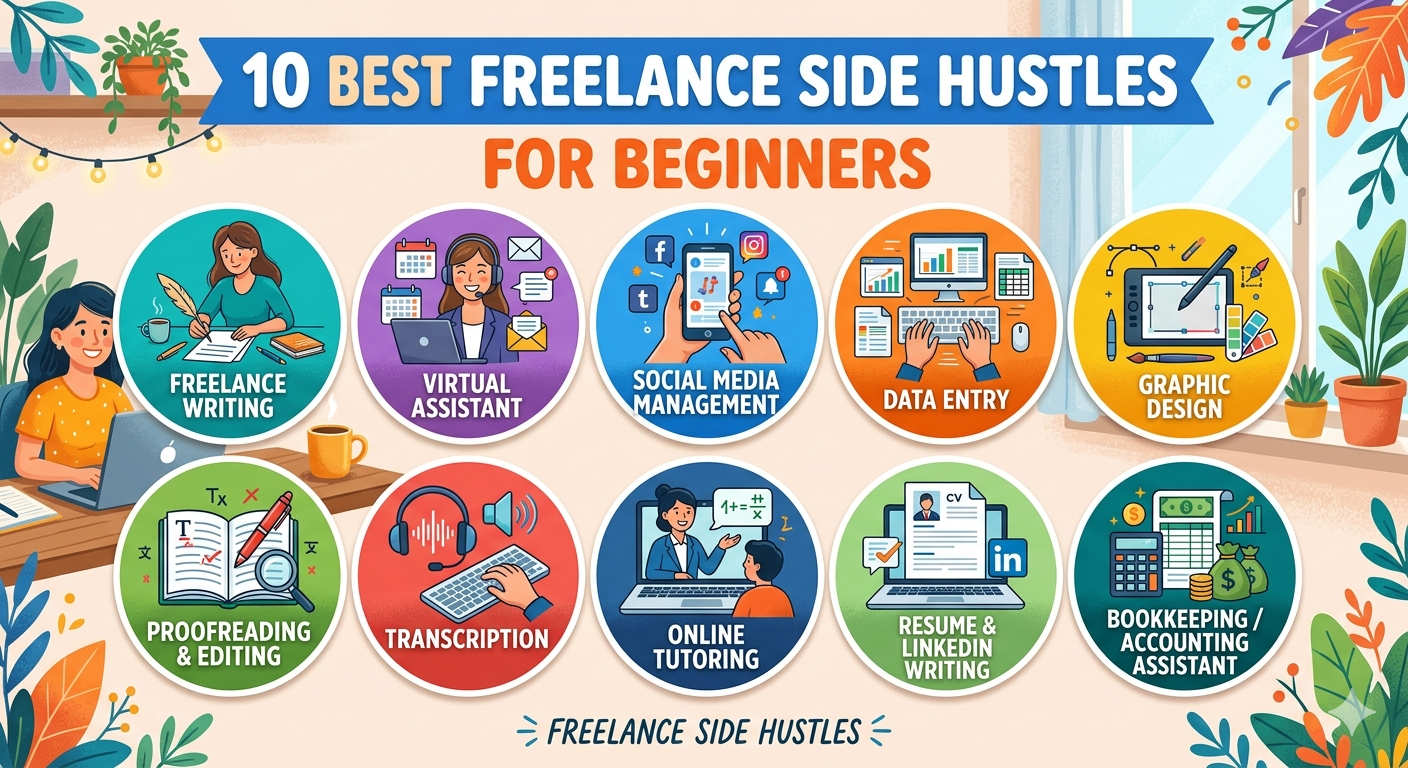
10 Best Freelance Side Hustles for Beginners (2026)
Over the years, I’ve done a few freelance projects to earn some extra money on the side, from writing to designing. Freelancing can pay the bills even if you have no skills.
The best part is that freelancing has never been more accessible for beginners. You don’t need a professional website, fancy portfolio, and years of experience. You just need a little bit of determination, a laptop, and the willingness to take the first step.
This guide breaks down the best freelance side hustles for beginners, organized by the type of work, the realistic income you can expect, and how hard it actually is to land your first gig. We’ll also cover the tools you’ll need, where to find clients, and how to avoid the classic beginner mistakes that waste months of momentum.
Ready? Let’s get into it.
Why Freelancing Is the Smartest Side Hustle Right Now
Side hustles come in all shapes and sizes: dropshipping, content creation, affiliate marketing, and selling on Etsy.
But here’s what makes freelancing different: you get paid for a skill you probably already have. No inventory. No upfront investment. No algorithm decides whether your TikTok gets 40 views or 4 million.
Freelance work is also one of the fastest routes to real income. On platforms like Upwork and Fiverr, beginners routinely land their first paid project within two to four weeks of creating a profile. That’s not a guarantee, but it’s a realistic timeline that most “passive income” plays can’t touch.
Quick stat: The freelance economy in the U.S. now includes over 73 million workers, and over a third of them started as beginners doing it part-time alongside a full-time job just like you’re considering right now.
The other thing worth saying: freelancing scales with you. You can earn $200 your first month and $2,000 six months later — same skill, just more experience and better clients. That trajectory is real. We’ve seen it happen over and over again.
The 10 Best Freelance Side Hustles For Beginners
These aren’t random ideas scraped together for word count. Each hustle on this list meets three criteria: you can start it without experience, you can find clients online, and it has genuine income potential within the first few months.
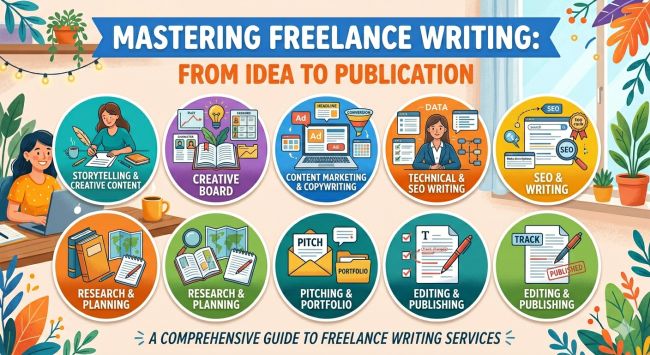
1. Freelance Writing
$20–$100+/hr | Beginner-Friendly | 100% Remote
If you can string sentences together better than the average person, congratulations, you have a marketable skill. Businesses, blogs, and media companies are constantly hungry for people who can write clearly. Blog posts, product descriptions, email newsletters, and LinkedIn articles, the demand is enormous and weirdly steady.
Start with content mills like Verblio or WriterAccess, then move to pitching clients directly or listing services on Fiverr. Use Grammarly to polish your work and Google Docs to deliver it. You don’t need a journalism degree. You need a clean writing sample and a willingness to take feedback like a pro.
Best for: Anyone who’s been told “you write really well” more than once in their life.
Related Article: Click here to check out Freelance Writing for Beginners: Complete Step-by-Step Guide
Online Course: Want to fast-track your skills with freelance writing? Check out this complete course on freelance writing.
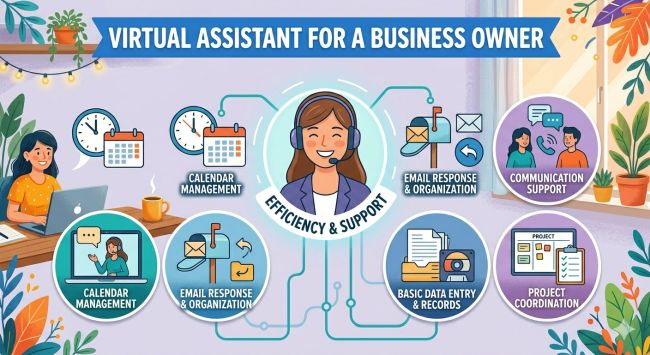
2. Virtual Assistant (VA)
$15–$50/hr | No Experience Required | 100% Remote
This is genuinely one of the best entry points into freelancing because the skill set maps directly to things most people already do: organizing, scheduling, emailing, managing calendars, and doing research. Entrepreneurs and small business owners are drowning in admin tasks and they’ll pay good money for someone to handle them.
Tools you’ll use constantly:
- Google Workspace (workspace.google.com)
- Trello (trello.com)
- Calendly (calendly.com)
- Zoom (zoom.com)
Land your first client on Upwork with a simple, specific offer: “I help busy entrepreneurs manage their inbox and calendar so they can focus on growing their business.” That’s it. That sells.
Best for: Organized, detail-oriented people who don’t need much hand-holding.
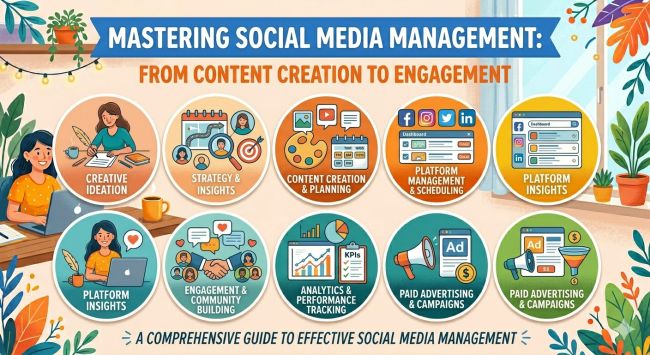
3. Social Media Management
$300–$1,500/mo per client | Beginner-Friendly | 100% Remote
Most small business owners know they should be posting consistently on Instagram or LinkedIn, but they absolutely hate doing it. That’s your opening. If you understand how social media works, even from a personal-use level, you’re already ahead of most of your potential clients.
Canva is your best friend here. Its drag-and-drop interface means you can create professional-looking graphics without any design experience. Package your services as a monthly retainer, think 12 posts per month plus story content plus engagement monitoring, and you suddenly have a predictable, recurring income stream.
The first client is the hardest. After that, referrals do the heavy lifting.
Best for: People who spend a lot of time on social media anyway and understand what content gets engagement.
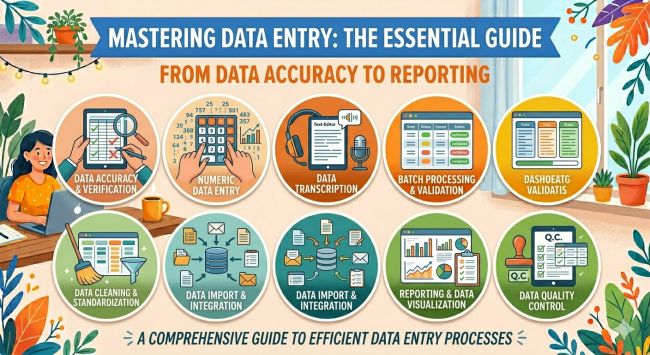
4. Data Entry
$12–$25/hr | Zero Barrier to Entry | 100% Remote
It’s not glamorous. It’s not going to make you rich. But data entry is one of the most reliable beginner freelance jobs because the work is straightforward, clients are easy to find, and there’s zero learning curve. If you can type accurately and follow instructions, you qualify. Full stop.
Think of it as the training wheels of freelancing, a way to build your profile, collect positive reviews, and get comfortable with client communication before moving into higher-paying work. Upwork and Fiverr both have a steady supply of data entry gigs. Don’t plan to do this forever, but it’s a legitimate starting point.
Best for: People who want to start earning immediately while they develop other skills.
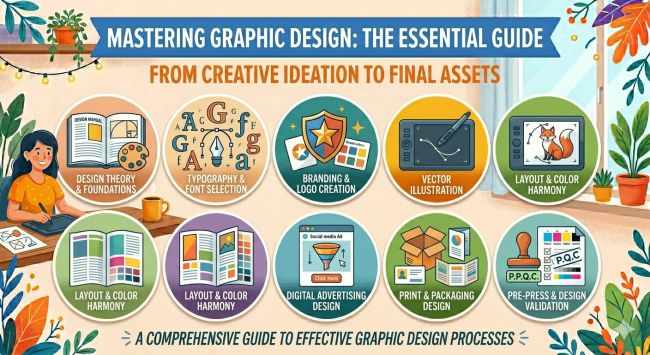
5. Graphic Design
$25–$75+/hr | Low Barrier with Canva | 100% Remote
Before you say, “but I’m not a designer,” hear me out. Thanks to Canva, the gap between “person who has good taste” and “person who can design for clients” has never been smaller. Logos, social media kits, pitch deck templates, and ebook covers that small businesses need, all of which they don’t always want to pay agency prices for.
Start with a niche: restaurant menus, podcast cover art, LinkedIn banners for personal brands. Niching early means less competition and clearer marketing. As you get better, you can graduate to Adobe tools. But Canva gets you in the door. Keep a running portfolio in Notion from day one, even if it’s just mockups you made for fun.
Best for: Visually minded people with a good eye for fonts, colors, and layout.
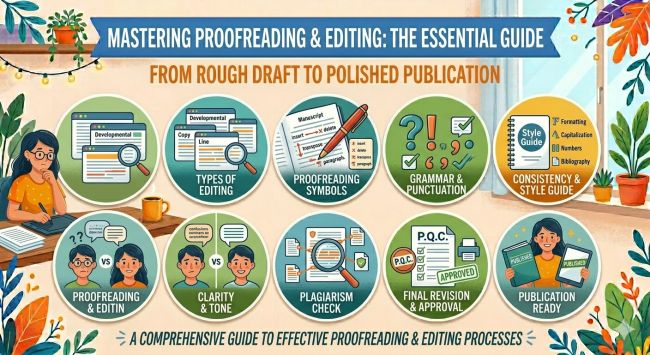
6. Proofreading & Editing
$20–$60/hr | Beginner-Friendly | 100% Remote
If you’re the person who mentally corrects grammar, you might be sitting on a side hustle. Proofreading is in demand from bloggers, authors, business owners, academics, and non-native English speakers who want polished, professional writing. It’s also one of the few freelance services you can legitimately offer with zero formal training.
Grammarly Premium is your main tool here — ironic, yes, but real editors use it. Combine it with Microsoft Word’s tracked changes feature or Google Docs suggestions. Set competitive rates to start, even $20/hr beats minimum wage and builds your review history fast. As your portfolio grows, rates climb quickly.
Best for: Detail-oriented readers who flinch at typos.
Related Article: Check out my complete guide, How to Earn Money Proofreading Online: Step-by-Step Guide, to get started.
Online Course: Want to fast-track your skills? Check out this Complete Proofreading Course to get you started.
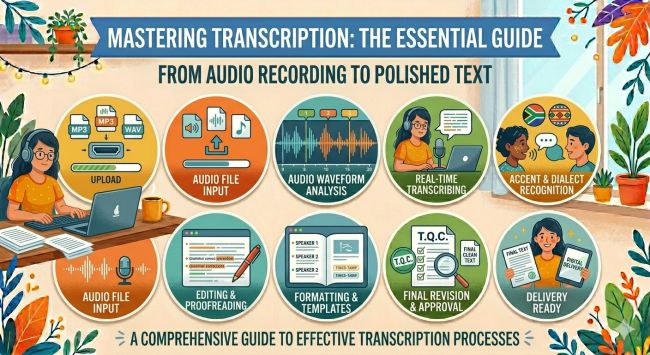
7. Transcription
$15–$30/hr | No Experience Needed | 100% Remote
Transcription, turning audio or video into text, is one of the most beginner-accessible freelance jobs out there. Podcasters, journalists, lawyers, and online course creators all need transcripts. The barrier is basically just typing speed and attention to detail.
You can get started on platforms like Rev or TranscribeMe while simultaneously building your own client base through Upwork. Once you get fast, this pays remarkably well per hour of effort. Specializing in legal or medical transcription, rates jump even higher. Google Docs plus headphones is your setup. Nothing fancy required.
Best for: Fast typists who can focus for stretches of uninterrupted work.
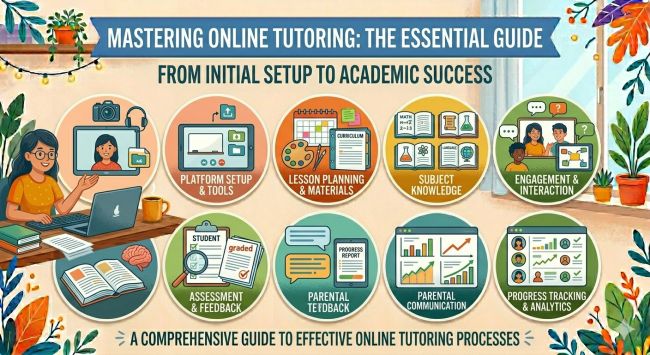
8. Online Tutoring
$20–$80/hr | Easy to Start | 100% Remote
You don’t need to be a teacher to tutor. You need to know one subject well enough to explain it clearly: math, a foreign language, SAT prep, music theory, Excel, or even social skills for job interviews. There is a market for all of it. Platforms like Wyzant, Tutor.com, and even Craigslist are full of parents and students who need help, now.
Zoom handles the live session. Google Docs or a shared whiteboard app handles collaboration. Calendly handles scheduling so you’re not playing email tag with parents. The logistics are simple. The income is genuinely good, especially for STEM or language tutors who can charge premium rates in a matter of months.
Best for: People with solid knowledge in any subject and patience for explaining things multiple ways.
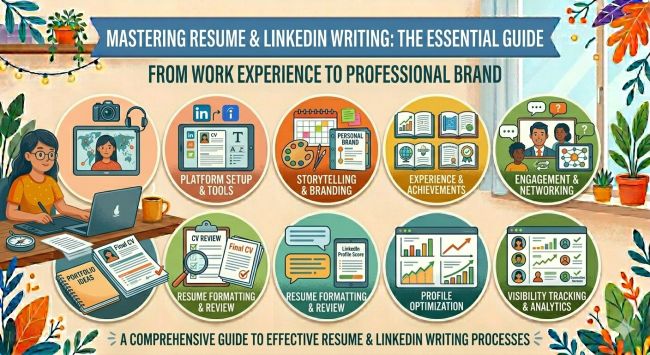
9. Resume & LinkedIn Writing
$50–$200 per project | Low Competition | 100% Remote
Job seekers are desperate. I mean that sincerely. In a competitive job market, a polished resume and an optimized LinkedIn profile can mean the difference between landing an interview and getting silently rejected by an ATS algorithm. If you understand how hiring works, that knowledge is worth real money to people actively in the job market.
This hustle has surprisingly low competition for beginners because it feels niche, but the demand is constant. You can package a resume rewrite plus a LinkedIn optimization as a single project at $150–$300. Start by helping friends and family for testimonials, then list on Fiverr or build a simple one-page site with Hostinger. Strong portfolio equals credibility equals higher rates.
Best for: HR-adjacent professionals or anyone who has helped people land jobs before.
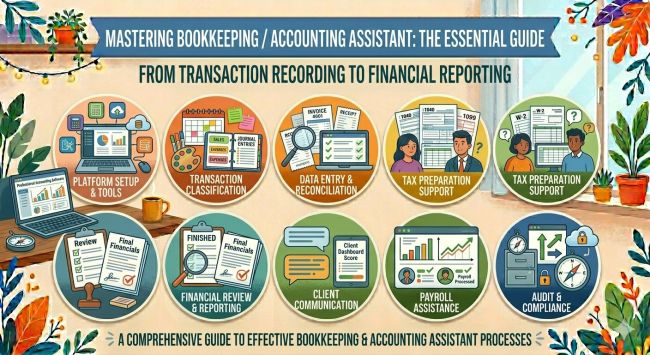
10. Bookkeeping / Accounting Assistant
$25–$60/hr | Requires Basic Training | 100% Remote
This one requires a bit more upfront learning, but the payoff is significant. Small business owners are chronically behind on their books, and many can’t afford a full-time accountant. A part-time freelance bookkeeper who knows QuickBooks, Xero, or FreshBooks is genuinely valuable to them.
You can get a basic bookkeeping certification through free or low-cost courses online in a matter of weeks. Then offer monthly bookkeeping packages as retainer work which means predictable, recurring income. The trust factor is higher here, which is why the rates are too. Build a reputation for reliability, and this one can become your main income surprisingly fast.
Best for: Analytically minded people who like numbers and are comfortable with financial software.
“You don’t need to be the best in the world at something. You just need to be better than the client’s current situation which is often doing it themselves at midnight.”
The Beginner Freelancer’s Essential Toolkit
You don’t need to subscribe to 20 apps on day one. But there are a handful of tools that show up in virtually every beginner freelancer’s workflow, and knowing about them early saves you a lot of fumbling around later.
| Tool | What It Does | Best For | Cost |
|---|---|---|---|
| Upwork (upwork.com) | Find clients, submit proposals, manage contracts | Every beginner freelancer | Free to join |
| Fiverr (fiverr.com) | Offer packaged services to buyers | Beginners with defined services | Free to list |
| Canva (canva.com) | Design graphics, presentations, templates | Social media, design side hustles | Free / Pro $15/mo |
| Grammarly (grammarly.com) | Grammar, clarity, and tone checking | Writers, VAs, anyone emailing clients | Free / Premium $12/mo |
| Notion (notion.so) | Portfolio, task management, client notes | Staying organized across multiple clients | Free |
| Clockify (clockify.me) | Time tracking for billable hours | Hourly rate freelancers | Free |
| Calendly (calendly.com) | Automated scheduling for client calls | Anyone booking discovery calls | Free basic plan |
| FreshBooks (freshbooks.com) | Invoicing and basic accounting | Freelancers who need simple billing | From $17/mo |
| Zoom (zoom.com) | Client video calls and presentations | VAs, tutors, consultants | Free for 40-min calls |
| WeTransfer (wetransfer.com) | Send large files to clients | Designers, video editors, writers | Free up to 2GB |
The honest advice? Start with Upwork or Fiverr + Google Workspace + Canva. That’s your starter stack. Add tools as the work demands them, not before.
How To Build A Freelance Portfolio With Zero Experience
This is the question that stops more beginners than anything else. “How do I get clients when I have no portfolio, and how do I build a portfolio without clients?” It feels like a paradox. It’s not, though. Here’s how real beginners break through it:
1. Create spec work. Pick three fictional (or real) businesses and create sample work for them. A blog post for a fictional bakery. A social media kit for a local restaurant you like. A resume redesign for a fake persona. This goes straight into your portfolio. Clients don’t always know or care that it’s spec work. They’re evaluating quality.
2. Work for reduced rates early. Not free, reduced. Offer one or two clients a significant discount in exchange for a detailed testimonial and the right to feature the work in your portfolio. Reviews on Upwork and Fiverr are essentially social proof currency. Invest in a few early projects to earn them.
3. Use Notion or a simple Hostinger site as your portfolio hub. You don’t need a custom website to look professional. A clean Notion page with your services, a few samples, and your contact info does the job better than a half-finished WordPress site. Upgrade to a real portfolio site on Hostinger once you have enough work to fill it.
How To Price Your Freelance Services As A Beginner
Pricing is where most beginners either undersell themselves into burnout or overprice themselves into zero clients. Here’s a framework that actually works:
Start with your target hourly rate. Figure out what you need to earn monthly and divide by the number of hours you realistically want to work. If you need $800/month and can work 20 hours, you need $40/hr. That’s your floor, not your ceiling.
Research the market. Browse Upwork and Fiverr for your service. See what established freelancers are charging. Start at the low-to-mid end — not the rock bottom. Pricing too low signals inexperience and attracts difficult clients. There’s a real sweet spot.
Move to project-based pricing as soon as possible. Charging by the project rather than the hour protects you as you get faster and more efficient. A blog post that takes you two hours at $40/hr equals $80. A blog post priced at $150 flat rate equals $75/hr once you’re efficient. Same work. Better return.
Frequently Asked Questions
Q: What are the best freelance side hustles for beginners? The strongest options in 2026 are freelance writing, virtual assistant work, social media management, proofreading, and data entry, in that order for most beginners. They all have low barriers to entry, strong demand, and a clear path to growing your income as you gain experience.
Q: Which freelance side hustles require no experience? Data entry, transcription, and virtual assistant jobs are the most accessible for true beginners with no prior freelance experience. Proofreading is close behind. These roles rely on transferable everyday skills, typing, organizing, and attention to detail rather than specialized training.
Q: How much can a beginner freelancer realistically earn? Most beginners earn $200–$800 in their first month, depending on how much time they invest and how quickly they land clients. By the three-to-six-month mark, many consistent freelancers are earning $1,000–$2,500 per month part-time. Full-time freelancers often hit $3,000–$6,000+ after the first year.
Q: Is Upwork or Fiverr better for beginners? Both are legitimate starting points with different vibes. Fiverr works well if you can package your service cleanly into a defined gig. Upwork is better for beginners who want to pitch clients actively and build ongoing relationships. Many successful beginners use both simultaneously.
Q: Do I need a website to start freelancing? No, and wasting weeks building a website before you have a single client is one of the most common beginner mistakes. Start on Upwork or Fiverr, land your first few projects, then build a portfolio site later. A professional Notion page works perfectly in the meantime.
Q: How do I manage taxes as a beginner freelancer? The simple version: set aside 25–30% of every payment you receive in a separate savings account for taxes. Track your income and business expenses using FreshBooks or QuickBooks. In the U.S., you’ll likely need to pay quarterly estimated taxes once you’re earning consistently. A CPA consultation is worth the cost once you hit $1,000/month.
Q: How can I avoid scams when looking for freelance work? Stick to established platforms for your first gigs; they have built-in payment protection. Red flags: clients who want to move off-platform immediately, requests for payment in gift cards, job offers that seem too high for unclear work, and clients who refuse to sign a contract. Trust your gut, and never work without an agreement in place.
Q: What tools do I need to start freelancing? Your essential stack: Upwork or Fiverr for client acquisition, Google Workspace for communication and file delivery, Canva for design, Grammarly for writing quality, Clockify for time tracking, and FreshBooks or a simple invoice template for billing. That’s it. Don’t overcomplicate it early.
Your Freelance Beginner’s Starter Checklist
Before you overthink it any further, here’s everything you actually need to do this week to get your first freelance side hustle off the ground:
- Pick ONE hustle from this list that matches a skill you already have
- Create a free account on Upwork and/or Fiverr
- Write a simple, specific service description (what you do, who it’s for, what the outcome is)
- Create 2–3 samples of your work (spec work is fine)
- Set up a Notion page or simple portfolio to house your samples
- Submit 5 proposals or set up your first Fiverr gig
- Download Grammarly (free tier) to keep your communications sharp
- Set up a separate savings account for tax money
- Book one Zoom call with a potential client (introductions are free)
- Do the work. Actually deliver. Get the review.
That’s the whole thing. It’s not complicated. It’s just consistent.
The Bottom Line
The best freelance side hustle for you is the one you’ll actually start. Not the perfect one. Not the highest-paying one on paper. The one that connects to something you can already do and a market that’s willing to pay for it.
Freelancing rewards momentum more than perfection. Every imperfect proposal you send is better than the perfect one you never write. Every project you finish, even if it takes twice as long as expected, teaches you something that no online course ever could.
You don’t need everything figured out. You need a skill, a platform, and the guts to offer your services to a stranger on the internet. That’s genuinely all it takes to start.
The first $100 you earn freelancing feels different from any other money you’ve made. There’s a confidence that comes with it a proof of concept that tends to snowball into much bigger things.
So, what are you waiting for?
Ready to land your first freelance client? Start with a free Upwork or Fiverr profile today. It takes 20 minutes, costs nothing, and it’s the single most effective first step you can take right now.